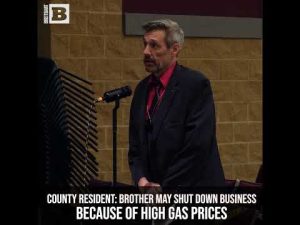
In recent discussions about the state of the economy, alarming trends are emerging that could spell disaster for small businesses across the nation. A local entrepreneur, Mike, who runs Strong Oaks Wood Shop in Front Royal, is facing a critical decision point that many business owners are grappling with. His company, which employs a dozen hard-working individuals, is now teetering on the brink of closure due to rising gas prices and plummeting sales, all following the onset of turmoil in international affairs. This situation serves as a glaring warning sign about the fragility of the current economic climate.
Mike’s experience is not isolated; it reflects broader challenges that small businesses face in today’s unpredictable economic environment. As gas prices rise, not only do they impact transportation costs, but they also dent consumer spending power. When everyday expenses climb, discretionary spending takes the first hit. Consequently, businesses specializing in luxury items, like custom furniture made from reclaimed barn lumber, are feeling the pain first. This predicament illustrates how intertwined the economy is, particularly for small businesses that serve niche markets.
While many lawmakers are considering a tax increase as a means to solve budget shortfalls, this misguided approach could devastate already struggling businesses. The potential imposition of higher taxes at a time when businesses like Mike’s are on the edge of collapse is a shortsighted strategy that fails to recognize the economic realities many are facing. Forcing business owners to navigate increased financial burdens during a downturn will only lead to more job losses and store closures, further weakening the economy.
It’s essential to understand that small businesses like Mike’s are the backbone of the economy. They provide essential goods, create jobs, and contribute to local communities. When government entities overlook their struggles and impose additional financial pressure, the consequences can ripple throughout the entire economy. The potential shutdown of one small woodshop can lead to unemployment for multiple families, reduced spending in the community, and a loss of services that residents rely on.
Conservatives must rally to protect small businesses from the overreach of government policy. It’s vital to advocate for measures that support rather than hinder entrepreneurship, such as tax relief, less regulation, and policies that foster economic growth. The reality is that maintaining a robust and diverse economy, particularly during challenging times, requires prioritizing the interests of small businesses. Mike’s situation is a reminder that our economic policies must reflect the needs of the hardworking men and women who make up our communities, ensuring that they can thrive even when faced with adversity. It is time to speak up and champion policies that will protect small business owners and, ultimately, the economy itself.