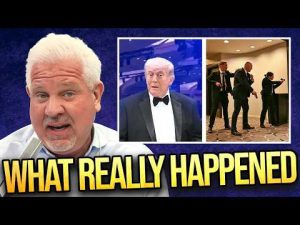
In today’s climate, where political grandstanding and violent rhetoric have become as common as overpriced coffee in a trendy café, the recent events unfolding in Washington D.C. should not come as a surprise. On center stage, we have Cole Allen, a 31-year-old engineer and teacher, whose actions at the White House Correspondents’ Dinner have left many questioning the state of political discourse in America. According to reports, Allen faces multiple federal charges, including attempting to assassinate the President of the United States. It’s a grim reminder of where unchecked political vitriol can lead and what happens when rhetoric turns to violence.
Now, let’s take a second to unpack this chaos. Allen allegedly transported a 12-gauge shotgun and a semi-automatic pistol across state lines, culminating in an attack that could have been ripped straight from a political thriller novel. Law enforcement officials are currently unraveling the elaborate planning behind this brazen act. The Department of Justice released photos of Allen’s weapons, and investigators continue to trace his digital footprint to fill in the blanks. It’s almost like the plot of a bad action film, but sadly, this is the reality.
Allen’s antics didn’t spring up overnight. Like the spring rain washing over D.C., his plans had been marinating for weeks. Booking his hotel as early as April 6 and making his way from Los Angeles to Washington D.C., Allen’s actions were calculated and deliberate. It’s a chilling example of a dark trend where political disagreements escalate to dangerous heights because some believe violence is a viable option.
The hue and cry from the Trump administration over this incident emphasizes the issue’s gravity. Calls for tighter security and condemnation of political violence have been made loud and clear. Yet, this incident reflects deeper issues beyond just a single engineer’s actions. The heated political rhetoric that has infiltrated every corner of public discourse is showing its ugly consequence. Democrats and Republicans are quick to point fingers, each blaming the other side for fueling the fire.
All in all, this episode underscores a disturbing acceptance of political violence as an outlet for frustration and grievance. As upcoming court proceedings further dissect Allen’s actions and intents, it becomes imperative for society to examine how we got here in the first place. Are endless bickering and demonization of differing views undermining the very fabric of democracy? Perhaps it’s time for Americans to collectively lower the temperature before things boil over entirely.