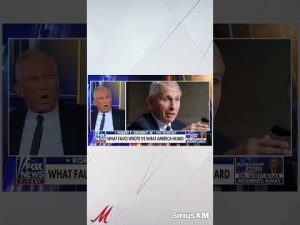
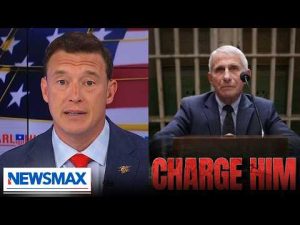
A recent discussion on a conservative news channel has stirred up quite a buzz regarding the justification and implications of pardons granted to certain individuals involved in the January 6 Capitol riots. The host expressed disbelief at the legal interpretations surrounding these pardons, suggesting that they might not even hold up under constitutional scrutiny. In fact, the host cheekily claimed that, with all due respect to legal scholars, a high school dropout like himself could see the glaring issues that others have missed. The narrative seemed to suggest that the Department of Justice may be missing the mark when it comes to the implications of these pardons.
The host particularly zeroed in on a figure central to the COVID-19 pandemic response, Dr. Anthony Fauci, leading to an interesting twist in the discussion. He boldly claimed that Fauci’s pardon—if it can be called that—was not valid, primarily because he had not committed any crime before receiving it. This revelation was compared to a court case, Berdick versus the United States, which pointed out that presidential pardons are only valid after an accusation, conviction, or admission of guilt. The host’s frustration was palpable, as he questioned how no one else had figured out this apparent oversight.
As the conversation continued, the host reflected on the leadership—or lack thereof—within the Justice Department. He exclaimed that if he were in charge, he would take an aggressive stance against those he deemed to have undermined American governance during the pandemic. He cited instances of alleged malpractice and misuse of power, expressing that a strong attorney general should operate like a “pitbull in a steakhouse,” ready to defend the interests of the American people instead of coddling potential wrongdoers.
Amidst the banter, the discussion branched out to critique the actions of certain health officials during the pandemic, particularly Dr. Deborah Birx. The host expressed exasperation over her alleged tactics to manipulate political decisions that would ultimately force the president’s hand regarding pandemic measures. This tirade culminated in a stern suggestion that both Fauci and Birx should face accountability for their controversial pandemic responses, showcasing a belief that these figures had a profound and negative impact on American lives.
Despite the host’s clear disdain for the liberal defense of Fauci, which he claimed was indicative of a broader decline in political ethics, the chatter continued onto a familiar theme—the perceived double standards held by the Democratic Party. He proposed that while Republicans faced severe scrutiny for budget cuts affecting critical services, the Democrats had repeatedly undermined law enforcement and order, creating an ironic contrast between political priorities. The exchange showcased the frustration felt by many conservatives regarding how the pandemic was managed and the political fallout that followed.
In conclusion, the host’s passionate address highlights a significant rift in America’s political landscape—the struggle for accountability amid a pandemic, the lingering ire regarding the actions of certain public health officials, and the ongoing discussion around presidential pardons and their legality. As debates rage on, it’s evident that these issues lie at the heart of a broader conversation about governance, ethics, and the rule of law in America today. And while opinions may differ, one thing remains clear: the passion on both sides of the aisle is far from fading.