Hollywood, once the gleaming jewel of the entertainment world, seems to have lost a bit of its sparkle. The city that once made dreams come to life has found itself with a few too many parties happening on the streets, and they’re not the glamorous kind. The iconic Walk of Fame seems less about the stars and more about the people who have pitched tents on it. The lure of filming in Los Angeles has dwindled, with big film productions seeking refuge overseas in places like Budapest or hopping just over the border into Canada.
There was a time when Los Angeles was buzzing with the frenzy of over 36,000 films being shot there. But last year, the numbers dropped significantly, and it’s safe to say there’s not a long queue waiting to bring the next big sequel back to the City of Angels. Even TV shows that used to capture the essence and glamour of Hollywood are questioning if they’ll ever be able to portray the same Los Angeles charm again. The landscape has changed, seemingly requiring a detour around everything not quite camera-ready.
In a twist, the former president, known for his business acumen and reality TV fame—yes, the one with a star on the Walk of Fame—Donald Trump sees potential for a Hollywood makeover. He’s whimsically suggested Congress roll out enticing tax incentives for films produced on American soil. In a rare moment of bi-partisan agreement, Adam Schiff even chimed in with a nod. When both Trump and Schiff align on a matter, the universe surely nudges for action; clearly, there’s something brewing that smells of opportunity, despite the otherwise odd couple agreeing on anything.
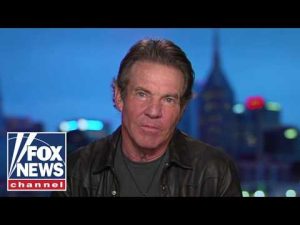
Actor Dennis Quaid, while discussing his new documentary “Water Wars,” observed firsthand the changing tides of Hollywood filming. Quaid recounted how filming in Los Angeles meant a hefty financial burden that many productions now sidestep by heading to locations like Georgia, or better yet, to Canada, where filming is more fiscally friendly. The ratio of projects underway in Georgia versus Los Angeles speaks volumes of a trend that has seen films, and indeed culture, flow up north, leaving behind only a faint echo of what once was a booming industry in its cradle.
The tale takes a nostalgic turn with Quaid recalling Ronald Reagan’s interventions in Hollywood. Reagan, despite his political divergence with Hollywood’s modern sentiment, once orchestrated a health insurance solution for actors through the Screen Actors Guild. Now, Quaid cheekily reminds us, many in Hollywood beckon for broader healthcare solutions. The irony is not lost that Reagan’s association with Hollywood isn’t fondly remembered by all, but the benefits traceable to his leadership certainly had a lasting influence. As Hollywood grapples with its future, perhaps a glance into history might just usher in a new act where the city becomes a stage for great productions once more.