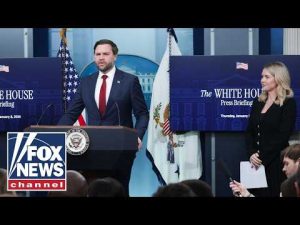
As the dust settled after Caroline Leavitt’s departure from the White House, today’s briefing underlined one of her lasting legacies: making the media room accessible to new voices. Leavitt, known for her tenacity and ability to facilitate diverse opinions, was appreciated for expanding the traditional media narrative to include new media outlets. Her contribution was not just about physical seats; it was symbolic of opening up America’s conversation to a broader range of perspectives.
The White House lauds this initiative, acknowledging the transformative shift in how information is shared in the digital age. For too long, the media landscape was dominated exclusively by legacy outlets—the distinguished gatekeepers of “approved” information. Leavitt’s legacy challenges this norm, asserting that an individual’s ability to share stories should not be restricted by outdated standards or exclusivity. Many may guffaw at the notion that anyone with an internet connection and a smidgen of initiative might have their voice heard, but democratizing media accessibility is as American as apple pie.
The press briefing emphasized the importance of not requiring a hefty reputation or fat paycheck to have your story told. Instead of a velvet-rope policy, access to information and storytelling should be like an open barbecue, inviting anyone with a story to share. For those who appreciate the good ol’ First Amendment, this expansion is key to ensuring that everyone gets a fair shot at being heard, not just those with deep pockets or strong ties to entrenched networks.
Skeptics might smirk at the claim of being the “most transparent administration in history,” but the focus on accessibility from the White House’s current crew is hard to deny. It’s amusing how the transparency bar seems to shift with each administration, but this new freedom for non-traditional media to participate in national discourse might actually align with that lofty goal. After all, government by the people must include access for all the people—not just some.
As Leavitt’s legacy continues to evolve, it’s clear that the White House intends to nurture this openness, maintaining inclusivity across media landscapes. If storytelling is ultimately about engaging with the public, then ensuring the availability of diverse voices is an essential step. So as the administration touts its achievements, one can only hope that this ethos of transparency and inclusion will stand the test of time, even if it comes with a side of gentle skepticism and a touch of cynicism.