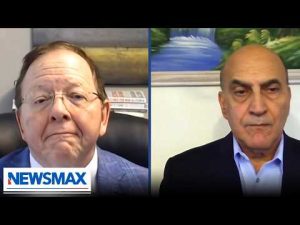
As the U.S. midterm elections approach, tensions rise with Iran, hinting at what some are calling an “October surprise.” Political experts are examining how this military tension could directly impact the elections and the Trump presidency. At the heart of the discussion are concerns that Iran may escalate its military actions just in time to sway American voters. Political science professor Robert Pape and foreign policy analyst Dr. Wed Ferris explored this intriguing possibility recently.
Professor Pape kicked off the conversation by recalling the term “October surprise,” which originated during Ronald Reagan’s 1980 campaign regarding the Iranian hostage crisis. He warns that Iran’s recent military activities are not random; they appear to be a strategic move aimed at undermining Donald Trump’s presidency. The potential for a nuclear weapons test is particularly worrisome, as Iran seems to be preparing to make significant advancements at its nuclear facilities. Such a move could create serious political ramifications for the Trump administration right before voters head to the polls.
Dr. Ferris joined in, explaining why the Iranian regime sees Trump as a threat. According to him, Iran’s long-term strategy has revolved around waiting out military actions that could destabilize their hold on power. By creating turmoil during an election cycle, they could effectively cast blame on Trump and rally opposition. The looming fear is that Iran could attempt to demonstrate its military capabilities through disastrous means, such as detonating a tactical nuclear weapon or launching devastating attacks in neighboring countries, thereby shifting the political landscape in the United States.
As these events unfold, political analysts warn that withdrawing from confrontational engagements might not be the solution many Americans desire. Pape emphasized that the U.S. has a vested interest in maintaining stability in the Persian Gulf region. If Iran were to emerge as a dominant power unchecked, it could lead to further destabilization and potentially a threat to global order. The stakes are high, and the consequences of underestimating Iran’s ambitions could be catastrophic.
With President Trump set to speak at the United Nations shortly, experts believe this could be a pivotal moment. Pape suggested Trump take a page from Reagan’s book by re-committing to non-proliferation initiatives and discussing the implications of a nuclear Iran. By presenting a strong and strategic front, Trump could reshape the narrative and rally allies to the cause. Rather than resorting to military bravado, which could backfire economically and politically, thoughtful diplomacy might yield better results for both the U.S. and its allies.
With the midterms just around the corner, the balance of political power could very well hinge on these international developments. As Iran plays its cards in this high-stakes game, Americans are reminded that the world of politics is often intertwined with global affairs. Whether this October will bring surprises of the political or military variety remains to be seen, but one thing is clear: the election season has never been more charged.