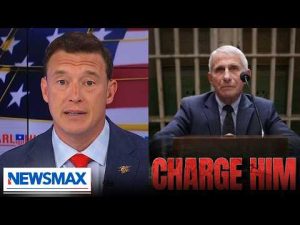
In a recent political spectacle, a high-profile figure demonstrated just how far some will go to dodge accountability. This event unfolded not in a typical courtroom but in a setting that should command respect—the U.S. Congress. The individual in question, known for his role during the pandemic, chose to invoke the Fifth Amendment repeatedly, leaving many questioning not just his actions but also the integrity of those in leadership positions.
The Fifth Amendment is a crucial part of the Constitution, designed to protect individuals from self-incrimination. However, the repeated reliance on this right, especially in the face of serious ethical accusations, raises eyebrows. This was not just a simple inquiry; it was an opportunity for transparency, the very foundation of democratic governance. Instead, what was witnessed was a refusal to engage, a strategy that suggests guilt rather than innocence. This maneuver is seen by many as a blatant show of contempt for both Congress and the American people whose trust he has broken.
During his time in office, while many Americans faced unimaginable hardships due to the pandemic, it appears this individual capitalized on the situation to enrich himself. Reports surfaced suggesting that he amassed wealth, all while millions suffered through loss and illness. For many, this behavior exemplifies the disconnect between Washington elites and the everyday citizens they are meant to serve. Instead of feeling accountable, he preferred to hide behind legal jargon, a decision undoubtedly crafted by a team of lawyers who were just as uncomfortable in the room as he was.
The implication of a personal gain during a national crisis is not just a personal failure. It reflects a systemic issue within the political elite that prioritizes self-interest over the collective good. Americans want leaders who will step up, take responsibility, and act in the best interest of the populace, not those who enrich themselves while the nation struggles. Each invocation of “I decline to answer” was not just a refusal; it was a stark reminder of the disdain some hold for the principles of transparency and accountability.
In the grand narrative of our nation, moments like these serve as wake-up calls. They remind us of the importance of vigilance and the need to hold our leaders accountable. The lack of a definitive answer to serious questions regarding his actions during a crisis is unsettling. It reinforces the notion that these individuals, once in power, often forget who they are supposed to represent. For the conservative community, this is a rallying cry to demand better from those we elect. It is time to reject the culture of complacency and entitlement that leads to such blatant evasions of accountability. The American people deserve leaders who will stand up and face the music, not those who hide behind legal protections while their constituents suffer.