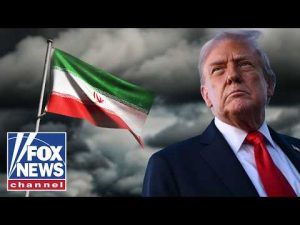
In the tangled web of global politics, the situation between the United States and Iran has once again taken a decisive turn. The cycle of hostilities surrounding the Strait of Hormuz has escalated to an alarming degree, leaving one to question if there’s any hope for genuine peace or if we’re forever trapped in a loop of skirmishes and retaliation. The frustrations aren’t unfounded. The Iranian regime’s recent actions—bombing ships and targeting military bases—are reckless at best and a deliberate provocation at worst.
The assessment of the Iranian leadership as irrational and unsuitable partners in any form of negotiation highlights a critical issue. These are not just idle accusations. The Iranian tactic of presenting one face at the negotiating table and another to the world only breeds mistrust. If agreements are consistently undermined, what incentive remains for the United States to engage sincerely? This is a question of vital importance in international relations—to listen to words that promise peace or to watch actions that chart the course for war.
This is not merely an American dilemma, for the implications stretch far beyond. It suggests that the Western allies, particularly in Europe, must recognize the gravity of the situation. The Strait of Hormuz is a lifeline for global energy, and any disruption sends ripples through the world economy. Europe, perhaps more than the United States, is at a pivotal juncture. Will the NATO allies step up to shoulder their share of responsibility, or will they rely on American intervention to save the day? The U.S. cannot bear the brunt of this burden alone. It’s time for a united front that addresses these threats decisively.
Yet, as the narrative unfolds, there’s a glimmer of rationality among the chaos. The potential to reinstate economic pressure through sanctions suggests alternative routes to armed conflict. These non-military measures could potentially coerce Iran into compliance without the soaring costs of war, both financial and human. It’s an approach that doesn’t garner the sensationalism of airstrikes but could provide a sustainable path forward. Nonetheless, should these passive strategies fail, it would fall upon America to make the tough decisions necessary to ensure global stability and security.
Ultimately, it is in Iran’s hands to decide which path to tread. The United States, while ready to defend its interests, seeks a world where such defense isn’t necessary. The path of diplomacy remains open, yet only if approached with sincerity and accountability. It’s a situation that demands careful navigation, resilience, and an unwavering commitment to principles, setting the stage for America to lead—and for its allies to follow—in the pursuit of real and lasting peace.